HVAC Safety: The Hazards Worth Taking Seriously
Most HVAC safety content is padding wrapped around common sense. This page is the short list of hazards we actually encounter in Tampa Bay homes, what each one looks like, and where the line sits between a homeowner job and ours.
An air conditioner is a 240-volt machine moving a chemical under pressure, often wired decades ago and sitting in weather eleven months a year. It is safe equipment with a handful of genuinely dangerous failure modes. Knowing which is which matters more than a page of generic cautions.
Electrical faults, the front of the list
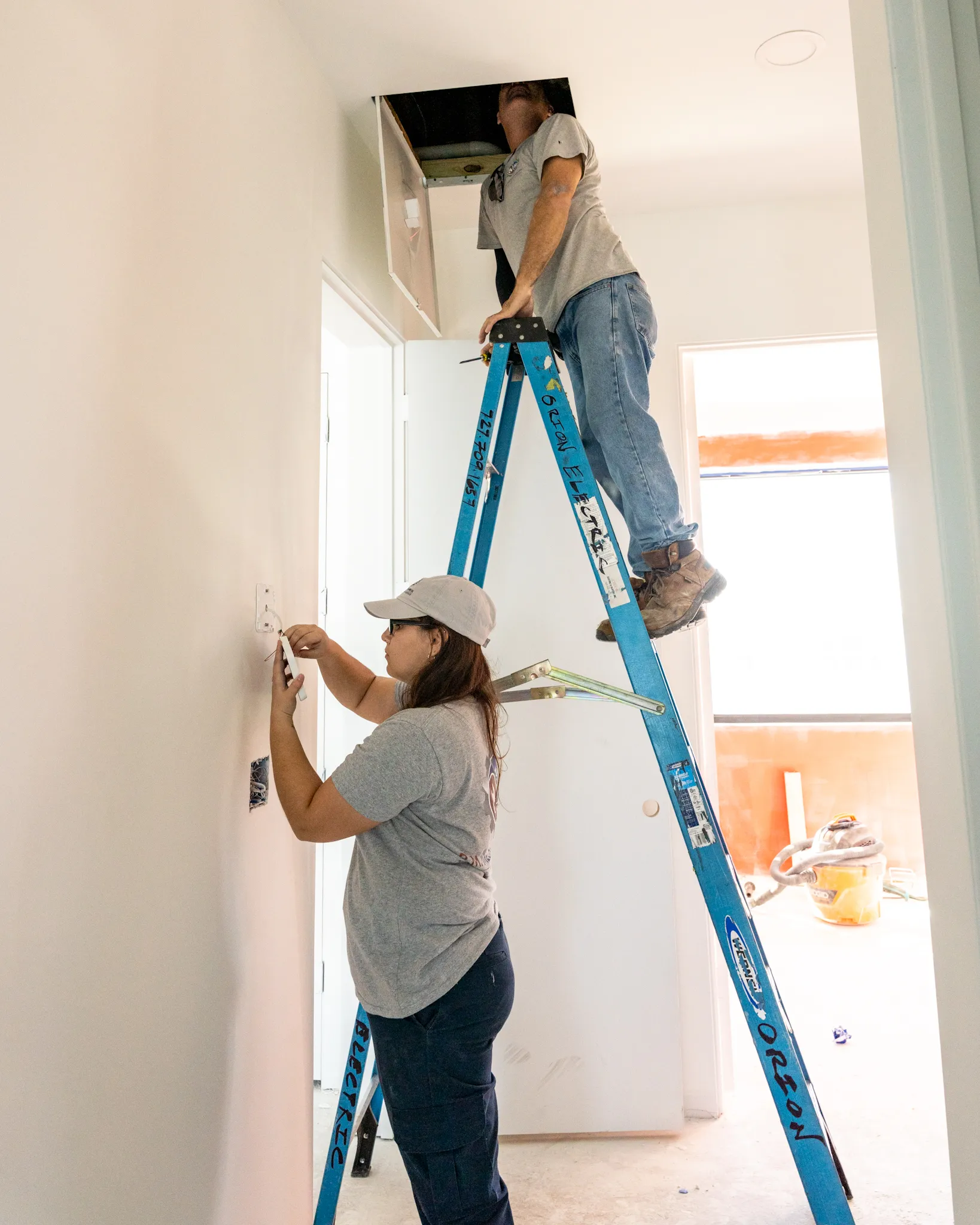
The breaker that keeps tripping is the classic. One trip can be noise; repeated trips mean a real fault, usually a shorted compressor winding, a seized motor pulling locked-rotor current, or heat-damaged wiring, and every reset drives current back into it. Stop resetting and call. The same goes for burning smells at the air handler, buzzing at the disconnect, and scorch marks around the contactor.
Older homes carry an extra layer: panels and circuits sized for the loads of 1975 feeding the equipment of today. If your house predates the eighties and has never had the electrical looked at alongside the HVAC, the panel guide explains what ages badly and why it matters to the AC specifically.
Flooded equipment, the Tampa Bay special
After a storm surge or street flooding, the most dangerous button in the house is the one that turns the system back on. Water wicks into windings, control boards and insulation; energizing them finishes the damage and can start a fire. A condenser that stood in salt water is usually a replacement no matter how clean it looks a week later. The rule is simple: flooded equipment gets inspected before it gets energized, no exceptions, and the hurricane checklist covers the sequence before and after.
Refrigerant: respect, not fear
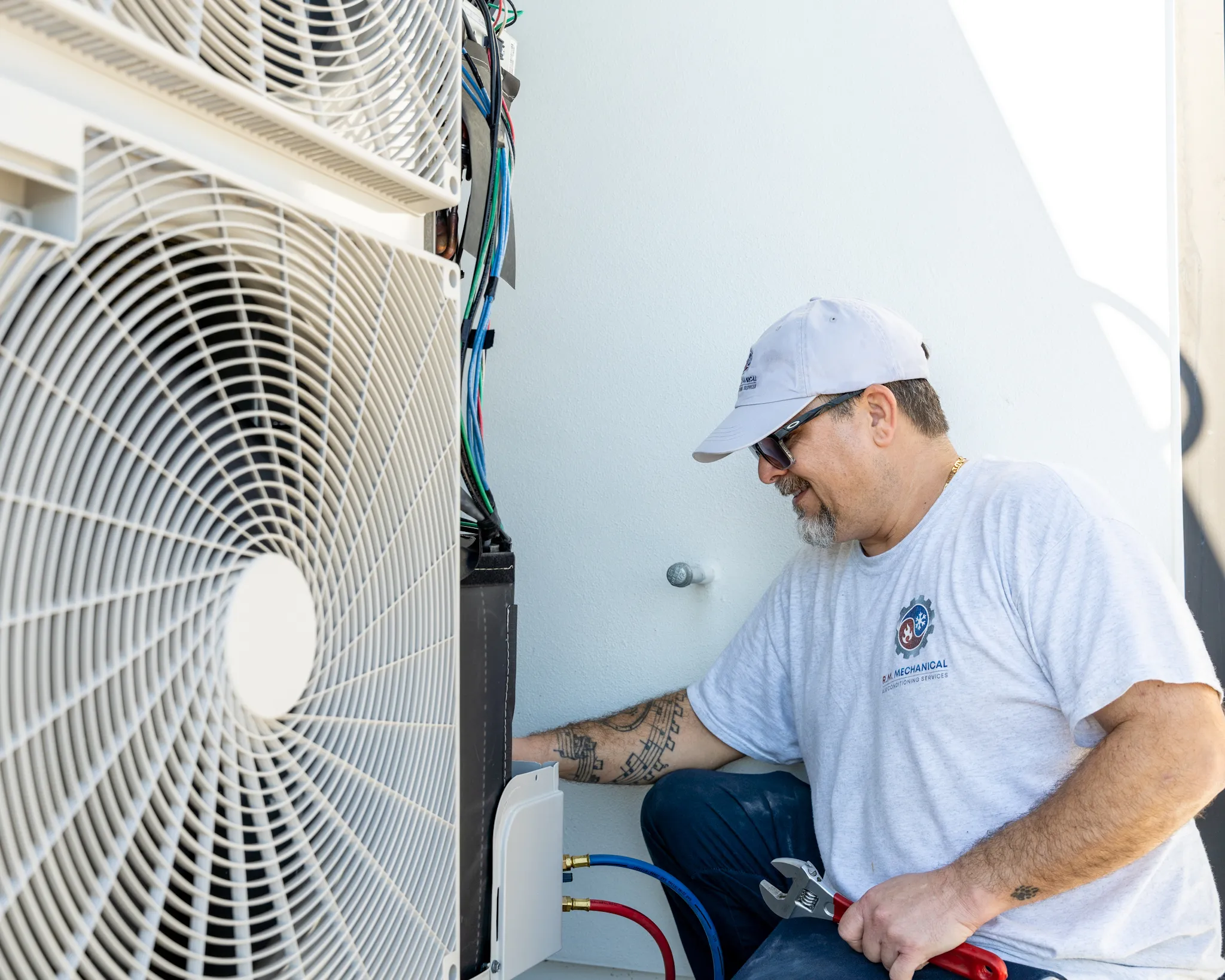
Refrigerant in a sealed system is not a hazard to anyone. It becomes one at the moment of release: it displaces oxygen in enclosed spaces, causes frostbite on contact, and handling it requires EPA certification for good reason. The newer R-454B systems add mild flammability to that list, which changes technician procedure and changes nothing about living with the equipment. The homeowner rule is one sentence: never chip ice off a coil and never open the sealed side of the system. The fins and tubing puncture easily, and a punctured coil turns a service call into a major repair.
Gas and carbon monoxide, where they apply
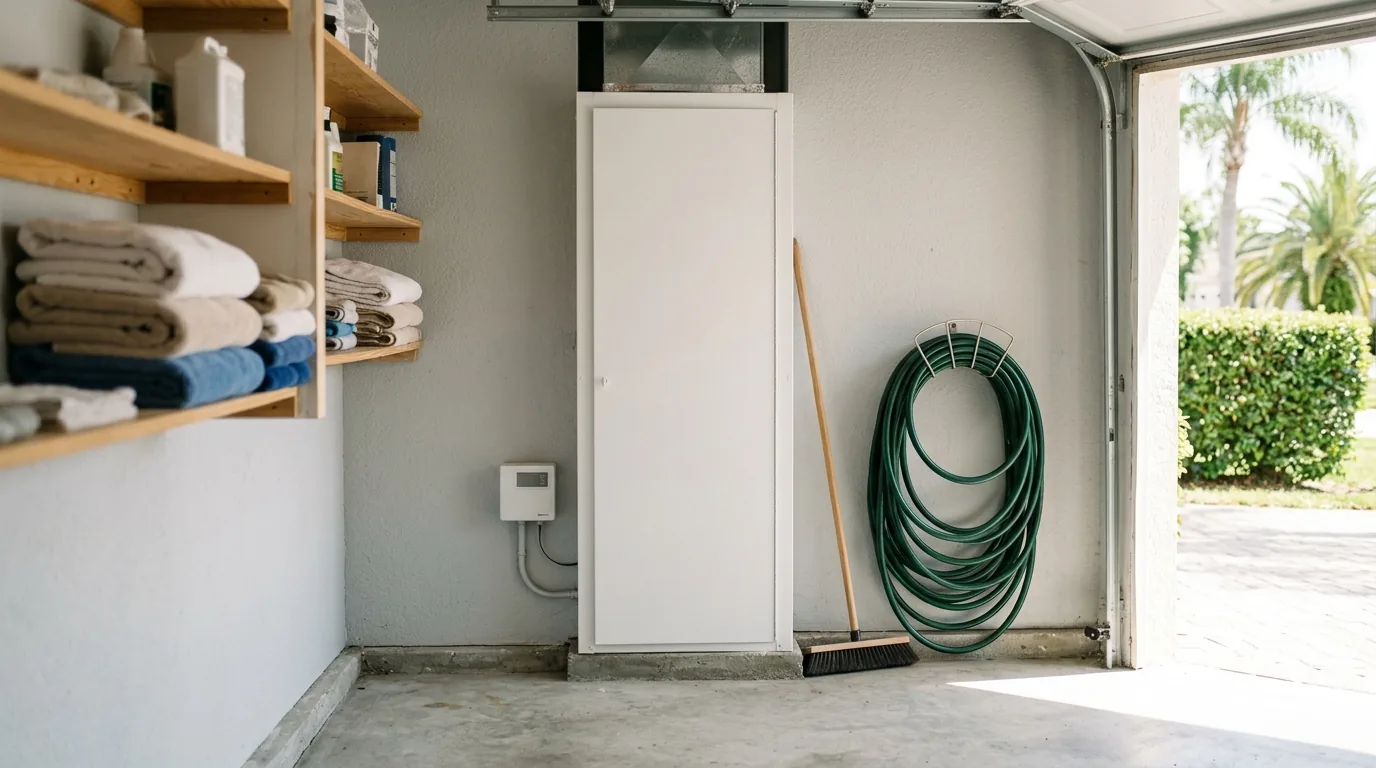
Most Tampa Bay homes heat with electric heat pumps and have no combustion in the HVAC at all. For the minority with gas furnaces, the safety work is specific: combustion analysis, heat exchanger inspection and venting checks, annually, done with instruments rather than a flashlight. A cracked heat exchanger puts carbon monoxide into the airstream, and carbon monoxide is odorless by definition. Any home with a gas appliance needs a working CO detector; we verify placement and function during heating service on gas equipment.
What a safety inspection covers
Ours rides inside every maintenance visit rather than being sold separately: electrical connections torqued and inspected, capacitor and contactor condition, wiring insulation, condensate overflow protection tested, disconnect and breaker condition, clearances, and on gas equipment the combustion and venting work above. If you want a standalone inspection, before a home purchase, after a storm, or on a system another company just worked on, we do those too, and the finding comes with photos and plain language rather than a scare quote.
Common questions
My AC breaker tripped once. Should I worry?
Reset it once and note the date. Breakers can trip on a voltage sag or a hard start without anything being wrong. The pattern that means stop is a second trip within days, or a breaker that will not hold at all; both point at a real electrical fault that resets only make worse.
The flood water only reached the bottom of the outdoor unit. Is it fine?
Have it inspected before running it. Water does not need to submerge the unit to reach windings and controls, and salt water in particular keeps corroding after it drains away. An hour of inspection is cheap against energizing a compromised compressor.
Can a heat pump produce carbon monoxide?
No. Carbon monoxide comes from combustion, and an electric heat pump burns nothing. If your home is all-electric, your CO risk lives with cars in the garage and portable generators, not the HVAC. Gas furnace homes are the ones that need the annual combustion checks and a working detector.
Is it safe to clear my own condensate line?
Yes, within limits: vacuuming the outdoor termination and keeping the line treated are homeowner jobs. What belongs to us is anything involving opening the air handler around live power, and any blockage that keeps returning, which usually means the line needs to be cut open and rebuilt with proper access.
Do you inspect systems before a home purchase?
Yes, and it is worth doing separately from the general home inspection, which typically checks only that the system turns on and cools. We measure the things that predict the next five years: charge, electrical condition, coil state, duct condition and remaining life, in writing, before you negotiate.
Related services
HVAC safety inspection across Tampa Bay
R.M. Mechanical works across Hillsborough, Pinellas, Pasco and Hernando counties. Open your area for the local details that actually change the job: which building department issues the permit, what the housing stock is like, and what the climate there does to equipment.
Ask about a safety inspection
Tell us what prompted the concern and we will schedule the right inspection. For burning smells or repeated breaker trips, shut the system off and call instead 727-306-1700.
Thank you! Your message is on its way.
We check messages 6am to 7pm daily and will get back to you. Need help right now? Call 727-306-1700.
Something went wrong and your message didn't go through. Please try again, or call us at 727-306-1700.