HVAC Maintenance That Prevents Failures
Most July breakdowns we run are preventable, and the majority trace to two things: a blocked condensate drain and a dirty condenser coil. Maintenance is the visit where both get handled before they take the system down.
A Tampa Bay system accumulates operating hours about twice as fast as the national average, because the cooling season here runs eight months. For most inland homes, one thorough visit before that season starts is the right cadence: it catches the things that fail under load while they are still cheap.
Coastal homes, and systems that run hard, are the case for a second fall visit. Salt attacks the condenser coil whether the system is running or not, and the fall check catches what the summer wore out.
What a tune-up includes
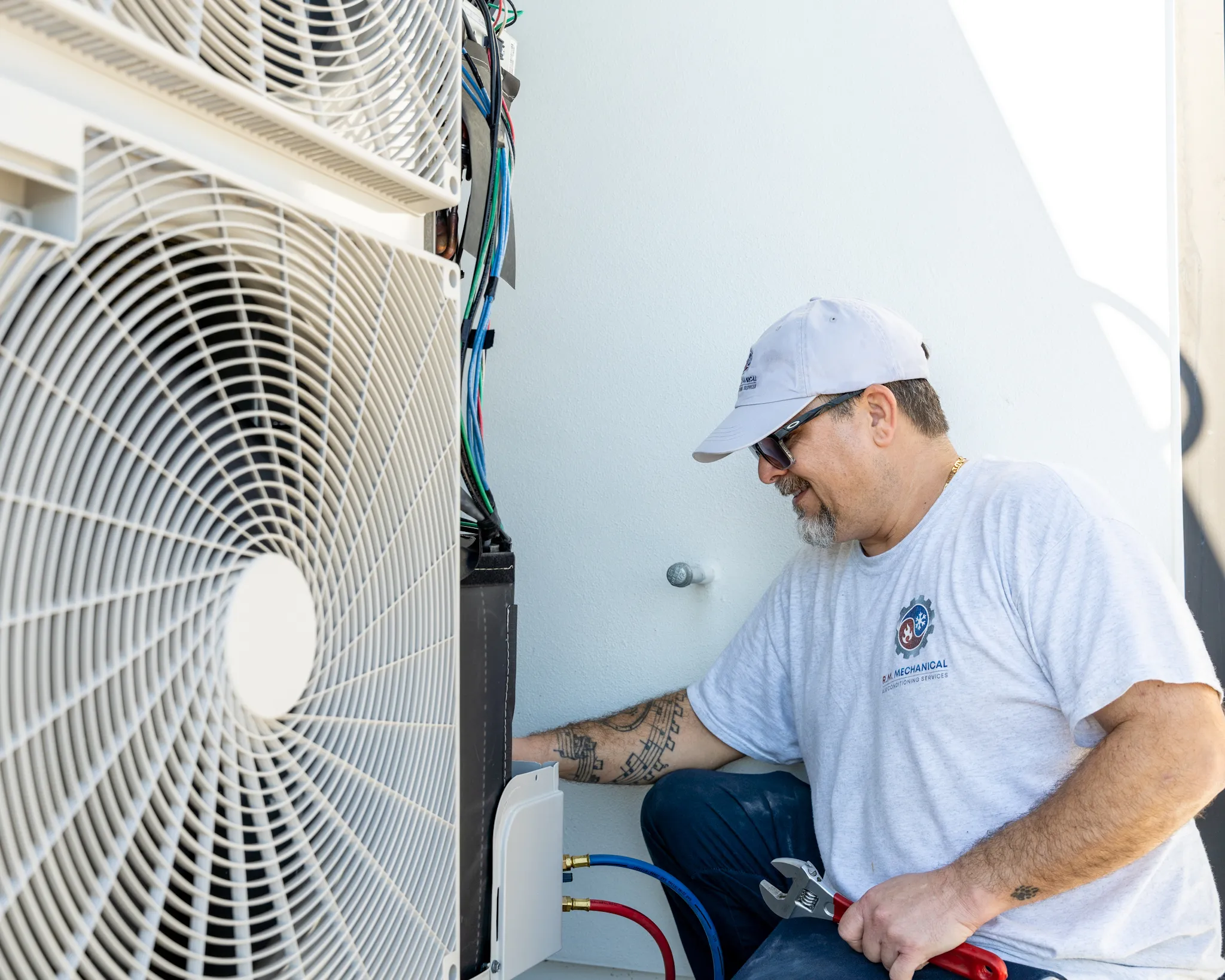
The word covers a wide range in this trade, from a filter change and a sticker to a real service. Ours is the second kind, and it is specific: clear and treat the condensate drain, verify the float switch trips, wash the condenser coil, check refrigerant charge against superheat and subcooling rather than pressure alone, inspect the capacitor and contactor under load, measure blower amperage, tighten electrical connections, and check the temperature split across the coil.
Each of those maps to a summer breakdown we would rather not be running at 6pm in July. The capacitor check alone prevents the single most common no-cool call there is.
The condensate drain deserves its own paragraph
Your air conditioner pulls gallons of water out of Tampa Bay air every day, and all of it leaves through one small drain line. Algae grows in that line year-round here. When it blocks, a float switch shuts the system down on purpose, and you experience a dead unit with a blank thermostat on a 93-degree afternoon. It is among the cheapest faults we fix and among the most expensive to ignore, because without the float switch the same blockage puts water through your ceiling. Clearing and treating that line is the least glamorous part of maintenance and arguably the most valuable. There is a fuller explanation in our condensate write-up.
What maintenance cannot do
It does not make a failing compressor young again, and it will not rescue a system that was oversized on the day it was installed. What it does is keep a healthy system out of trouble and give you honest warning when a component is drifting toward failure, so the repair happens on your schedule instead of during a heat wave. When we see a pattern that points to replacement, we say so with the readings that show it, and the decision stays yours. When replacement beats repair lays out that call in full.
Between visits, two things are yours
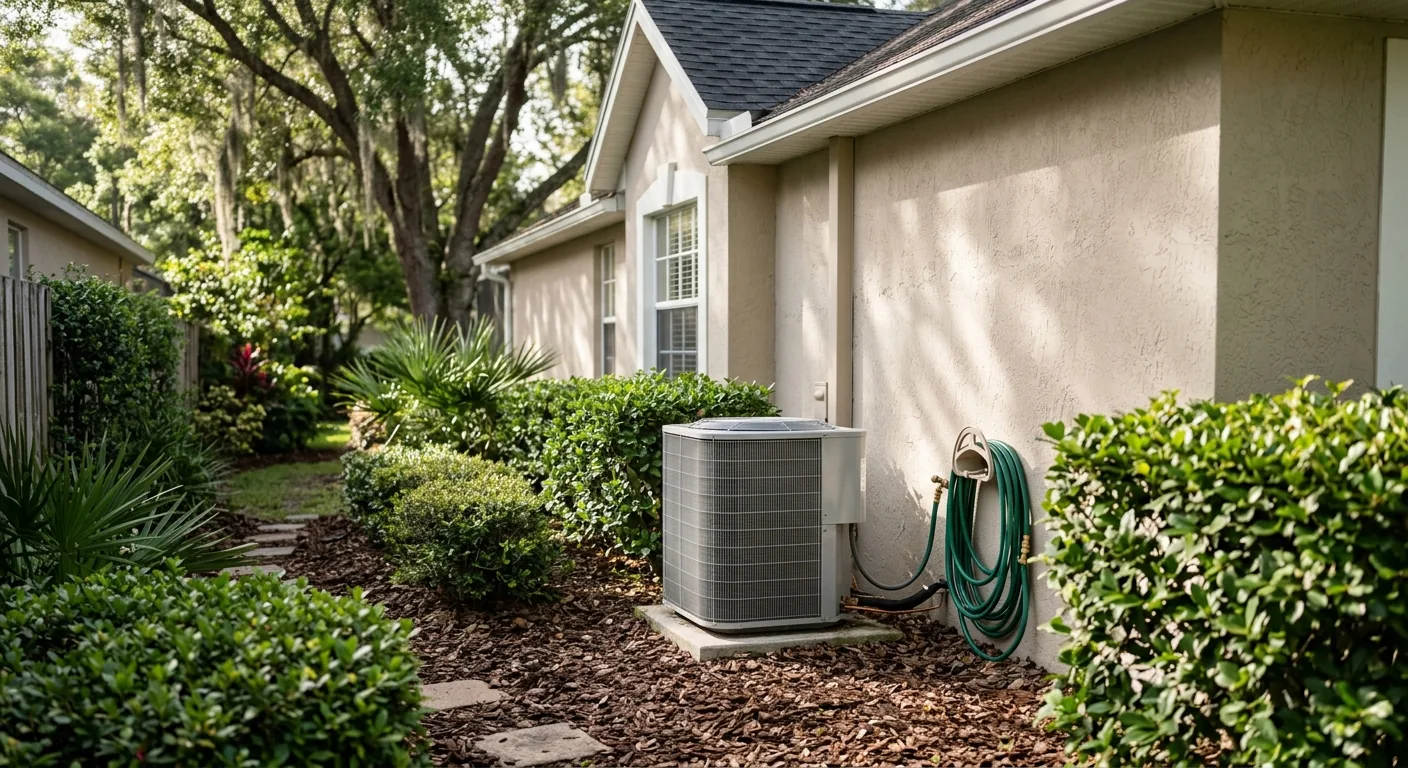
Change the filter every one to three months, sooner with pets, and keep two feet of clear space around the outdoor unit. A loaded filter chokes airflow, and airflow is the quantity everything else in the system depends on. Those two habits, plus service on the schedule above, cover the overwhelming majority of preventable failures we see.
If you would rather not think about the schedule at all, our maintenance plan handles the reminders, the visits and the priority scheduling in one arrangement.
Common questions
How often should an HVAC system be serviced in Florida?
Once a year for most inland homes, with the visit landing before the cooling season. Homes near salt water, and systems carrying heavy run hours, earn a second fall visit, because salt corrosion continues whether the system runs or not and the summer takes a measurable toll on capacitors and coils.
Is a maintenance visit worth it on a newer system?
Yes, for two reasons. Most manufacturer warranties require documented annual maintenance to stay valid, and installation-era issues like a marginal charge or an undersized return show up in the first year's readings, while they are still simple to correct.
What is the most common failure maintenance prevents?
Blocked condensate drains and failed capacitors, in that order. Both are quick fixes on a service visit and both take the whole system down when they let go, usually on the hottest week of the year, because that is when the system is working hardest.
Do you service systems you did not install?
Yes. Most maintenance customers came to us with equipment someone else put in. The first visit establishes baseline readings, and from there we track drift the same as any system of ours.
Can I do any of this myself?
The filter and the clear space around the condenser, absolutely, and they matter. The refrigerant, electrical and combustion checks need instruments and training. A homeowner with a garden hose can rinse a condenser coil gently from the outside; beyond that, the risk of fin damage outruns the benefit.
Related services
HVAC maintenance across Tampa Bay
R.M. Mechanical works across Hillsborough, Pinellas, Pasco and Hernando counties. Open your area for the local details that actually change the job: which building department issues the permit, what the housing stock is like, and what the climate there does to equipment.
Ask about maintenance service
Tell us about the system and when it was last serviced, and we will schedule a visit. For a system that is down right now, call instead 727-306-1700.
Thank you! Your message is on its way.
We check messages 6am to 7pm daily and will get back to you. Need help right now? Call 727-306-1700.
Something went wrong and your message didn't go through. Please try again, or call us at 727-306-1700.