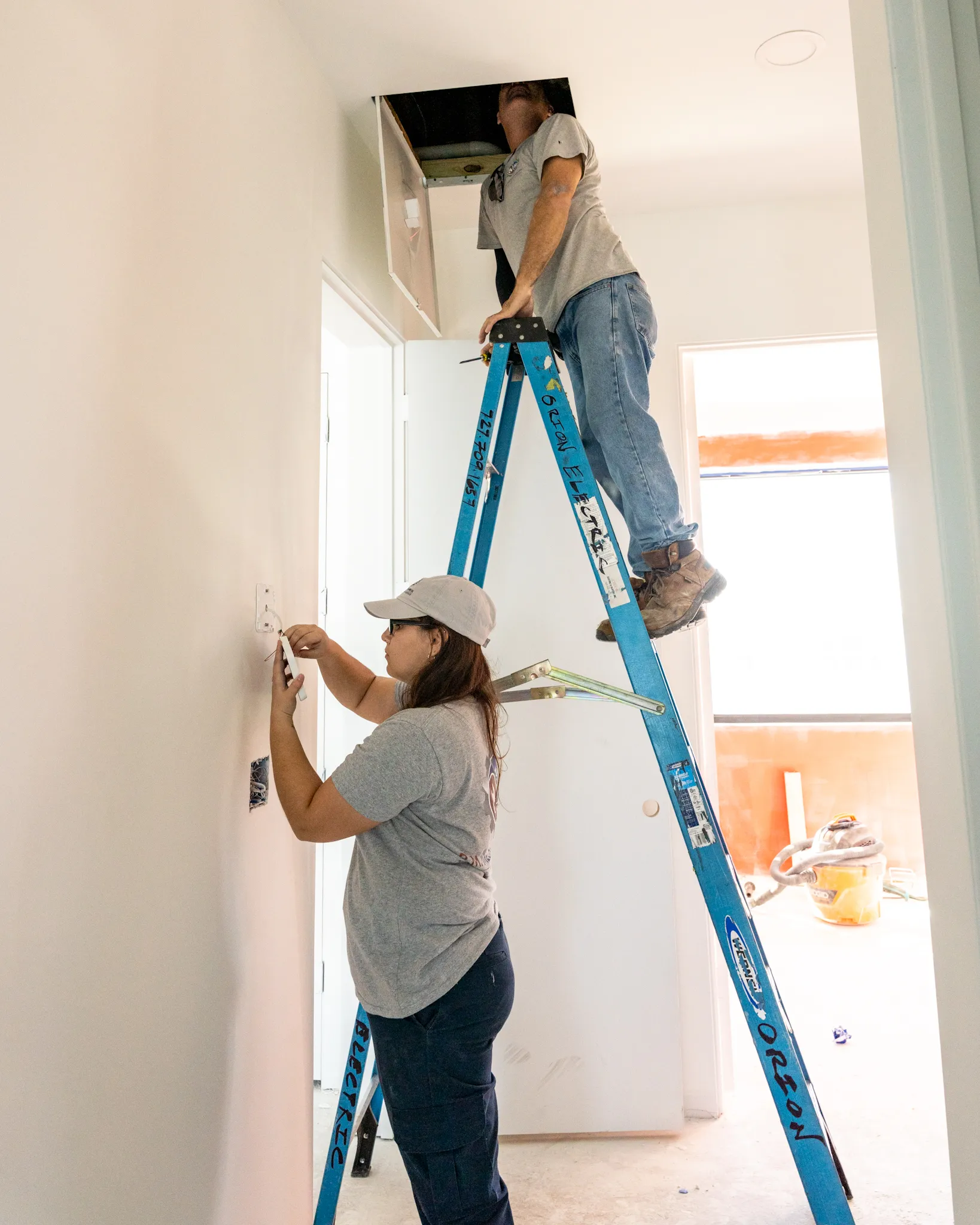
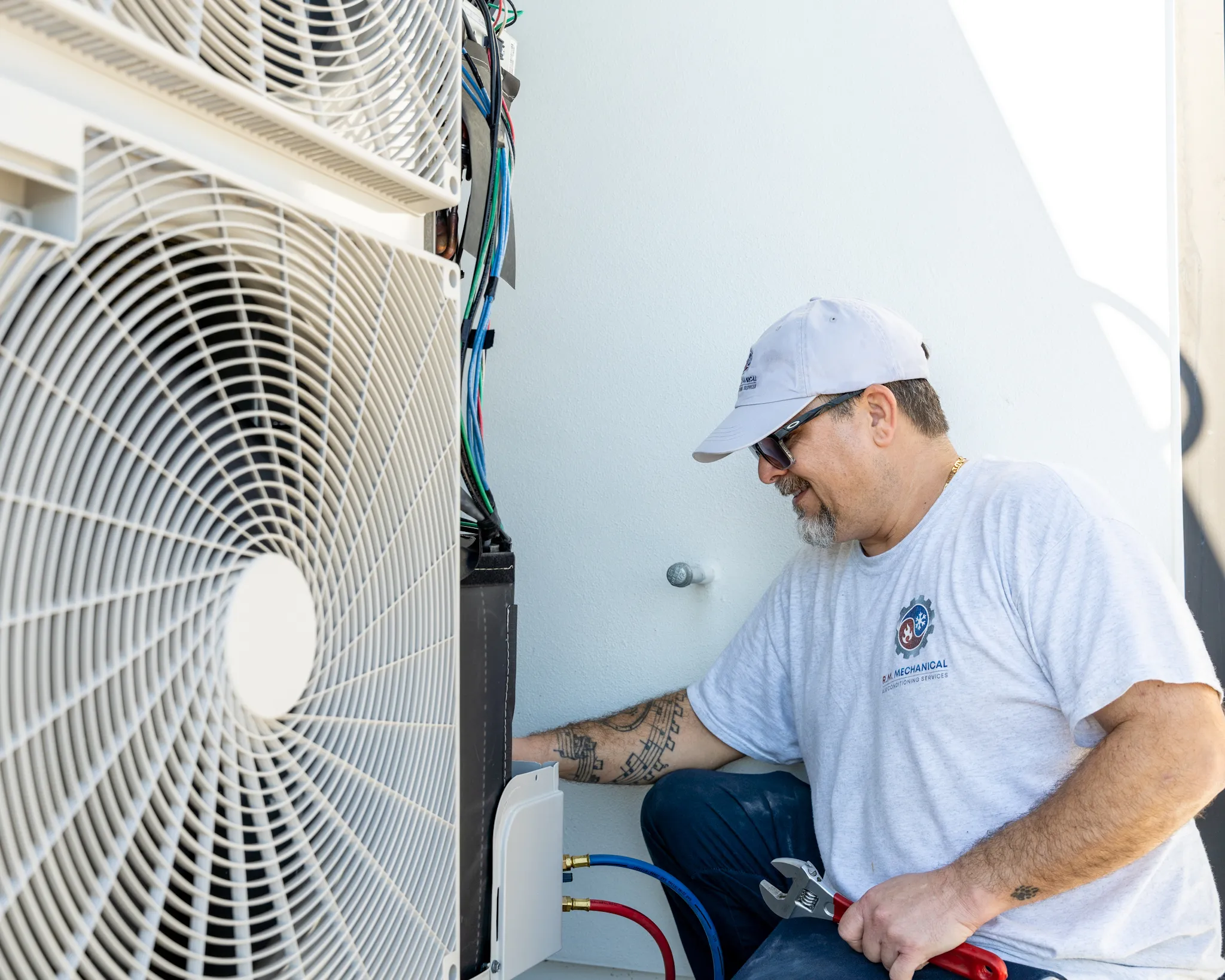
We will start with the part most companies leave out: for a typical home, routine duct cleaning on a schedule has not been shown to improve health outcomes or system efficiency. If someone knocks on your door offering a whole-house duct cleaning for a suspiciously low price, that is a well-known bait pattern and the visit usually ends with a much larger quote.
That does not mean ducts never need attention. It means the reason matters, and inspection should come before cleaning.
When cleaning is warranted
Visible mold growth
Mold on the interior of duct surfaces or on the coil is a real finding, not a sales pitch. In this climate it is also common, because coils stay wet for months. If it is there, it needs addressing, and so does the humidity that caused it.
Vermin or infestation
Rodents or insects nesting in ductwork leave droppings and nesting material in the air path. That is a clear case for cleaning, plus sealing the entry point so it does not recur.
Post-construction debris
Drywall dust, sawdust and insulation from a renovation does end up in open ducts. Cleaning after construction is worth doing, once, and it does not need repeating.
Heavy particulate discharge
If you can see debris blowing out of the supply registers, something is in there. Find out what before anyone quotes a cleaning.
What is usually the real problem instead
Most complaints that lead people to search for duct cleaning are caused by something cleaning will not fix. Dust that reappears within days of cleaning means air is getting in after the filter, which is a return-side leak. A musty smell usually means moisture, which is a humidity or condensate problem, not a dirt problem. Rooms that never reach temperature are usually airflow or duct sizing.
That is why we inspect first. Duct testing and sealing addresses the cause in each of those cases, and it also returns real efficiency: in Florida the ducts run through an attic that reaches 120 to 130 degrees, so a leaking supply duct is dumping air you paid to cool into the hottest part of the house.
How we inspect
Visual inspection of accessible runs, the plenum, the coil and the return path. Camera inspection where runs are not accessible. Pressure testing to put a number on leakage, and a check of static pressure to see whether the system is fighting a restriction.
You get told what was found and what it means, including when the answer is that the ducts are fine and the problem is somewhere else. We would rather do the smaller job that works than the larger one that does not.
If cleaning is the right call
Source removal with proper containment, so material comes out of the system rather than being redistributed into the house. Coil and drain pan cleaning where relevant, because they are the most common reservoir in this climate. Sealing any leaks found during the process, since an open system will simply reload.
We do not apply chemical biocides or sealants inside ductwork as a routine measure. Fixing the moisture and the leaks is the durable answer; coating the inside of a duct is not.