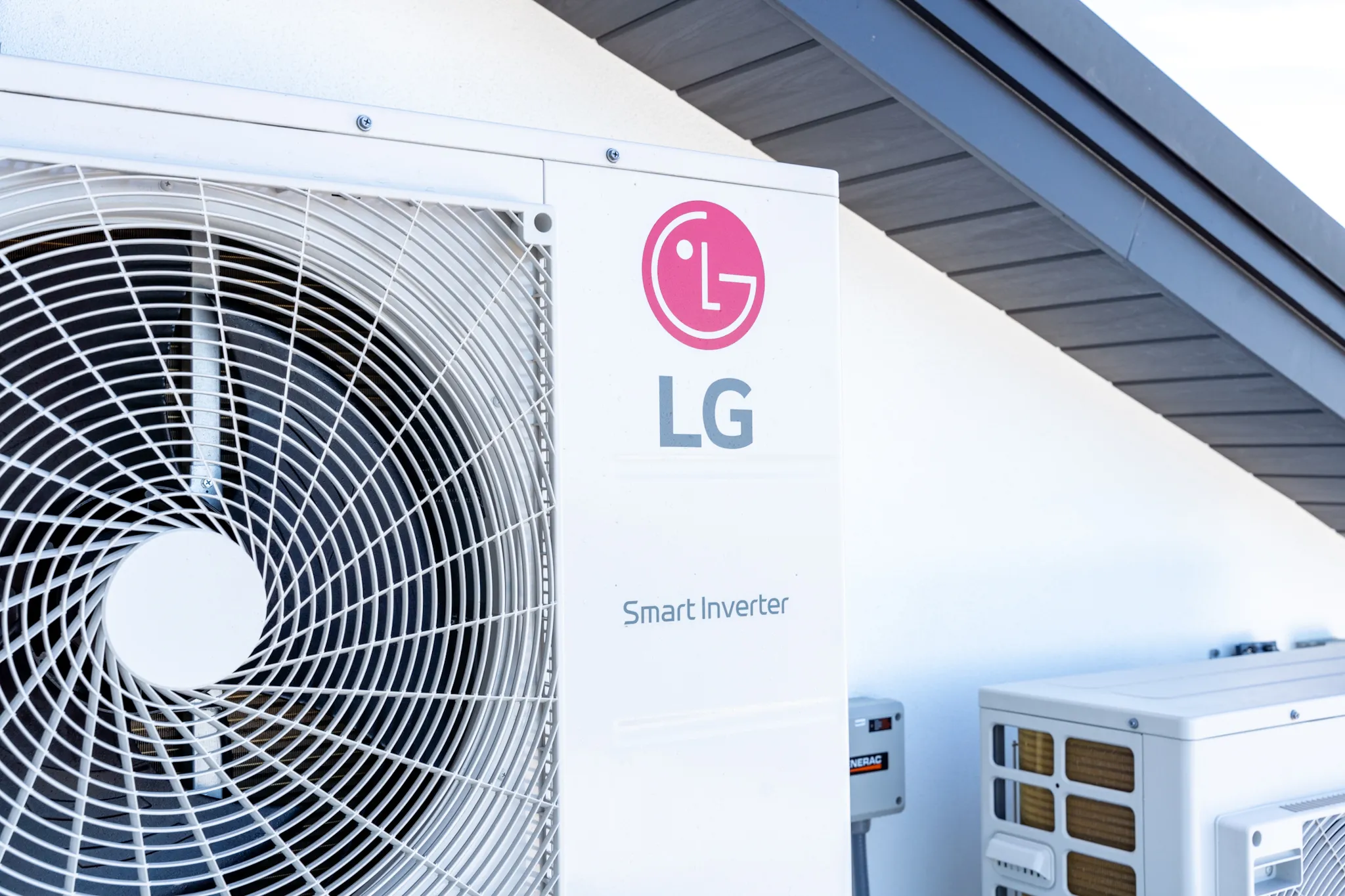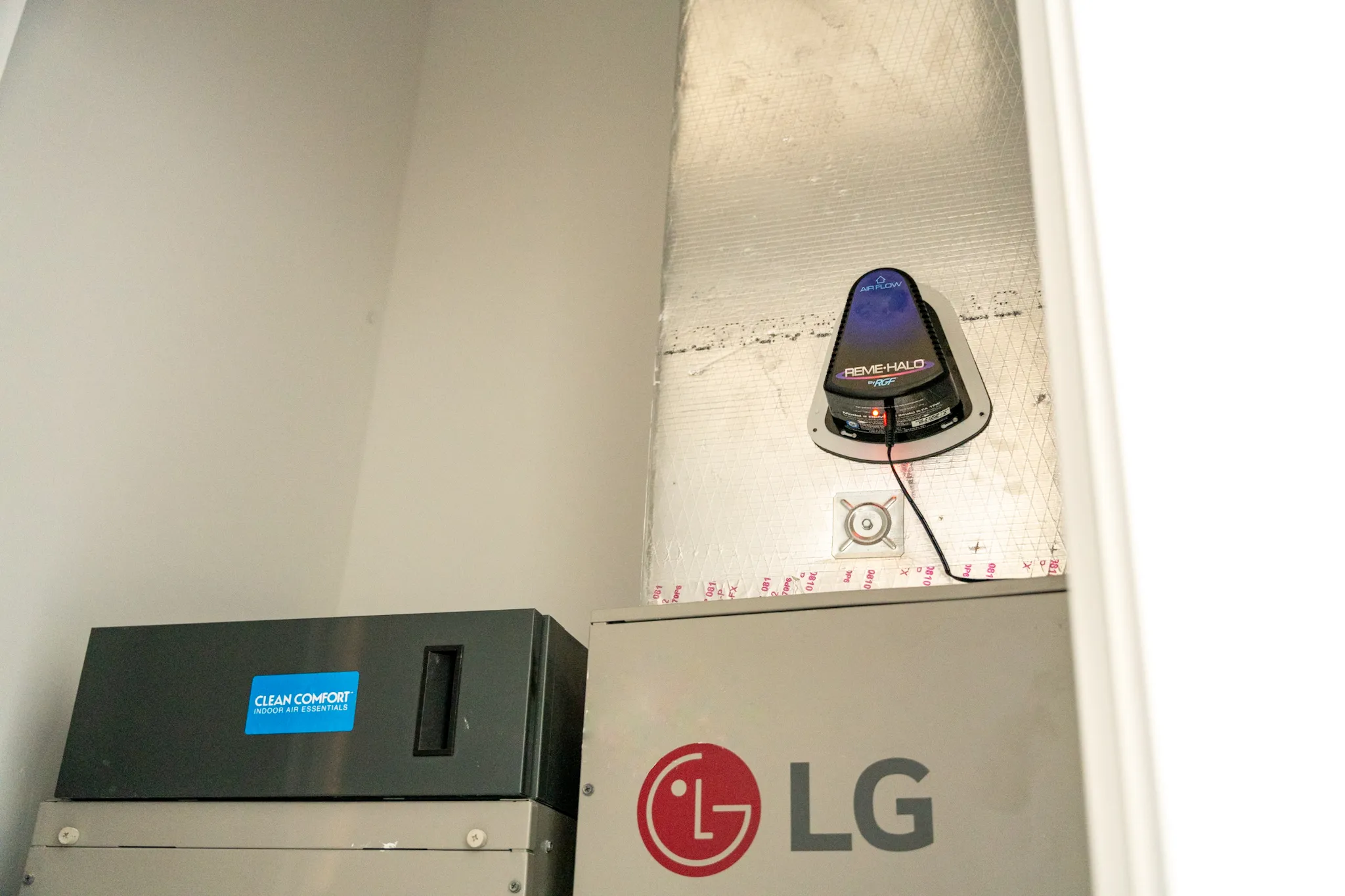
A heat pump is an air conditioner that can run backwards. Same compressor, same coils, same refrigerant. Add one component, a reversing valve, and the machine that pushes heat out of your house in July can pull heat into it in January. For most of Tampa Bay that makes a heat pump the default sensible choice rather than the exotic upgrade it gets marketed as elsewhere, and if you are replacing a system here, the odds are good that what you already have is one.
The interesting questions are not whether to get one. They are how to run it, how to read the ratings, and when a heat pump is the wrong call.
How it works
Air conditioners do not manufacture cold. They move heat from one place to another, which sounds like a technicality until you understand what it buys you.
Generating heat costs you one unit of heat per unit of electricity, full stop, and that is the ceiling for electric strip heat or any resistance heater. Moving heat has no such ceiling. Even on a chilly night there is plenty of thermal energy in 45-degree outdoor air, and a heat pump's job is simply to collect it and carry it indoors. Because the refrigerant is doing transport work rather than conversion work, the system delivers several units of heat for each unit of electricity it consumes. That ratio narrows as it gets colder outside, since there is progressively less heat available to gather, and in a Minnesota February the argument gets complicated.
In Hillsborough County it does not.
Why they suit this climate
The standard objection to heat pumps is cold-weather performance. In Tampa Bay that objection is close to irrelevant, because our winter lows rarely drop far enough, or stay down long enough, to push a modern heat pump outside the range where it works well. The handful of genuinely cold nights per year get covered by backup strip heat, which every heat pump installation here includes for exactly that purpose.
The bigger practical advantage is consolidation. One piece of equipment does both jobs, which means one system to maintain, one to service, one to eventually replace, and one set of ducts working for both seasons instead of a furnace sitting idle nine months a year.
There is also a fuel argument. Much of the Tampa Bay housing stock has no natural gas service at all, and in an all-electric house the alternative to a heat pump is straight resistance heat, which costs roughly three times as much to run for the same comfort. That is not a marginal difference on a January bill.
The strip heat trap
This is where people get ambushed by a winter power bill, and it is worth understanding because the fix is free.
Every heat pump carries electric resistance backup, usually a bank of heating elements in the air handler. Those elements are expensive to run by design, and the control logic engages them whenever the system decides the heat pump alone is falling behind. Cold morning, wide gap between the thermostat setting and the actual room temperature, elements come on. That part is intended. What surprises homeowners is that the same logic fires when you jump the thermostat five degrees at once, because from the controller's point of view a five-degree gap looks identical whether it came from brutal weather or from your thumb.
So on a cold morning, nudge the temperature up two degrees at a time and let it catch up between adjustments.
And skip the deep overnight setbacks in winter. Dropping the house eight degrees at bedtime feels thrifty, but the morning recovery runs strip heat for an hour to claw the temperature back, which spends more than the overnight savings. That advice runs directly counter to how setbacks work with a gas furnace, which is why so many people arrive here from other states and get a nasty surprise on the first bill. A programmable or smart thermostat that understands heat pump staging handles this automatically, and it is one of the few upgrades that pays for itself on control logic alone.
Reading the ratings
Cooling efficiency is rated in SEER2. Heating efficiency in HSPF2. Both replaced the older SEER and HSPF numbers, and the newer tests use more realistic external static pressure, so a 15 SEER2 unit is not directly comparable to a 15 SEER unit from a decade ago.
Heat pumps carry a national DOE minimum of 14.3 SEER2 and 7.5 HSPF2, in force since January 1, 2023, and it applies everywhere regardless of region. One caveat: the 14.3 versus 13.8 split you may have read about applies to split-system air conditioners, not heat pumps.
Here is the part nobody in a showroom will tell you: HSPF2 matters far less in Tampa Bay than SEER2 does. Our heating season is a few weeks of real demand scattered across a few months. The cooling season runs most of the year. Paying a premium for exceptional heating efficiency in this climate buys you very little, and that same money spent on cooling performance, better dehumidification, or fixing the ductwork will show up on every bill you get. Weight the budget accordingly, and read how the ratings translate to real bills before you decide how far up the range to go.
When a heat pump is not the answer
- You have working natural gas heating and only the air conditioning has failed. Replacing just the AC and keeping the furnace often costs less and makes sense, particularly if the furnace has years left
- Your ductwork is in poor shape. Fix that first. A heat pump running on leaky ducts underperforms in both modes, and heating is where you notice it most, because the temperature of the supply air is already gentler than what a furnace produces and losing some of it to the attic is immediately obvious. Duct testing and sealing comes first in that sequence
- You are conditioning a space that has no ductwork at all, like a converted garage or an enclosed lanai. Extending the central system into it usually produces a room that never quite works and a house that is slightly worse everywhere else. A ductless mini-split is the better answer there
Outside those cases, in this climate, a heat pump is simply the right machine for the job.
Related reading and services: heat pump systems, heating services, and the brands we are factory-certified on, which are Carrier, Goodman, Rheem, LG, Midea, Trane, Daikin, Mitsubishi and Lennox.